

10 Tips to Extracting Better Espresso
Minimum Time required for warming up
Significance of Optimal Temperature
Weigh your coffee beans
Adjusting the grind and dosage
Roast degree affects grind
Freshness and staleness
Addressing the Proper Aging and Extraction of Coffee
Ideal Storage
Roast Date, Flavour and Consumption
Deep freezing coffee beans
Minimum time required for warming up
Part 1
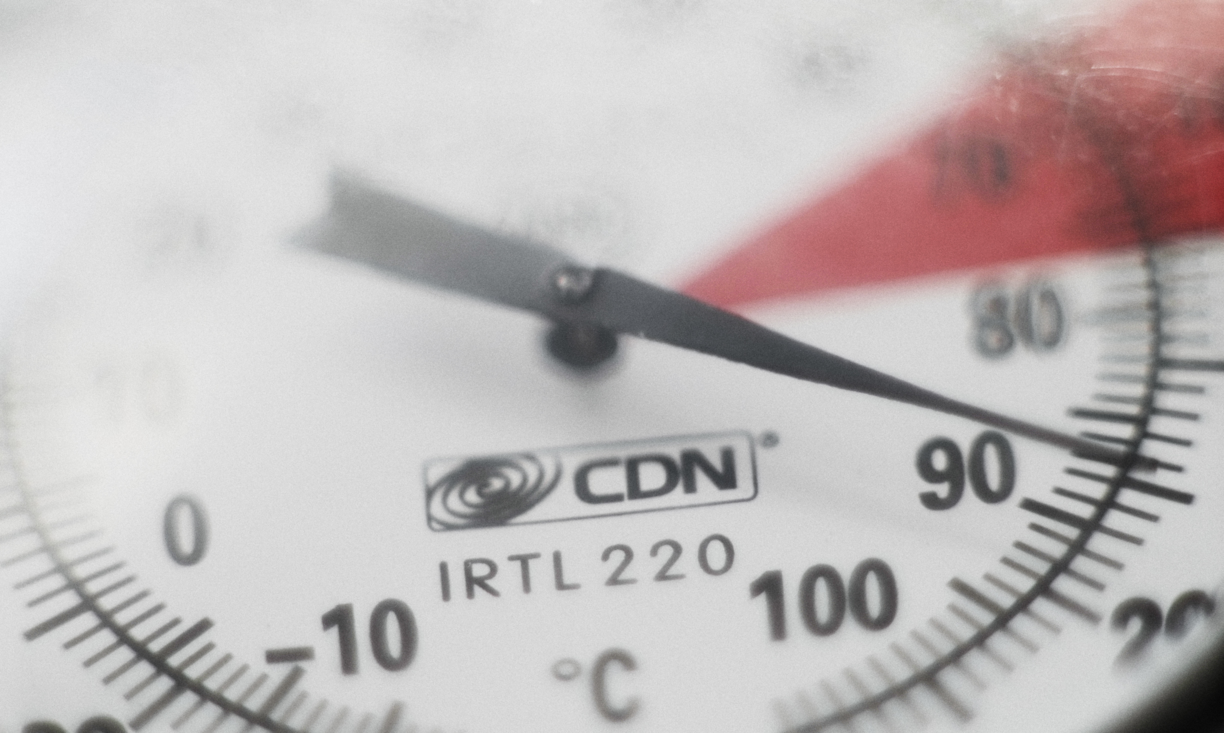
For a satisfactory initial espresso shot, allow commercial or prosumer espresso machines—especially those equipped with an E61 group head—to warm up for a minimum of 20 minutes.
This preheating period is crucial for stabilizing the machine’s temperature, which is key to extracting a decent first cup of espresso.
Significance of Optimal Temperature
Part 2
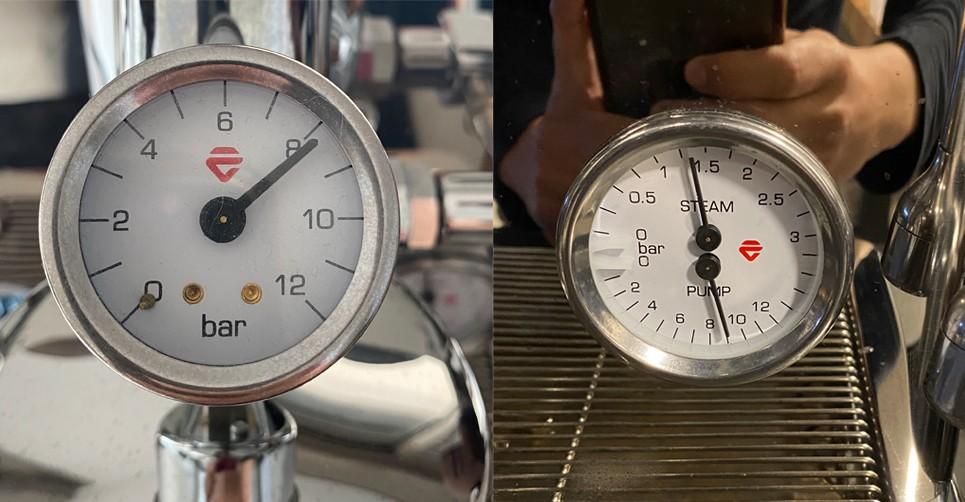
When the LCD panel of an espresso machine reads 93C, it indicates the boiler has reached this temperature, but the group head needs additional time to warm up to that level; usually, a wait of 20-30 minutes is required.
Brewing espresso too soon can lead to a shot with inadequate crema, weaker taste, and a lighter color. As the machine remains on and more shots are pulled, the quality of the espresso—regarding flavor, color, and flow—tends to improve with each subsequent extraction.
Weigh your coffee beans
Part 3

For enhanced consistency and control over the brewing process, it’s advisable to use a scale to weigh coffee grounds.
Opt for a scale that provides measurements to at least one decimal place for greater precision, thereby addressing a key variable that can influence the quality of your coffee.
Adjusting the grind and dosage
Part 4

To optimize the flavors of various roasted coffees, whether single-origin or blends, it’s essential to fine-tune the grind settings and dosage to match each type’s unique characteristics and your personal taste.
Moreover, be mindful that changes in humidity throughout the day might require further grind adjustments, and try to avoid leaving beans in the hopper for too long to prevent them from becoming stale.
Roast degree affects grind
Part 5
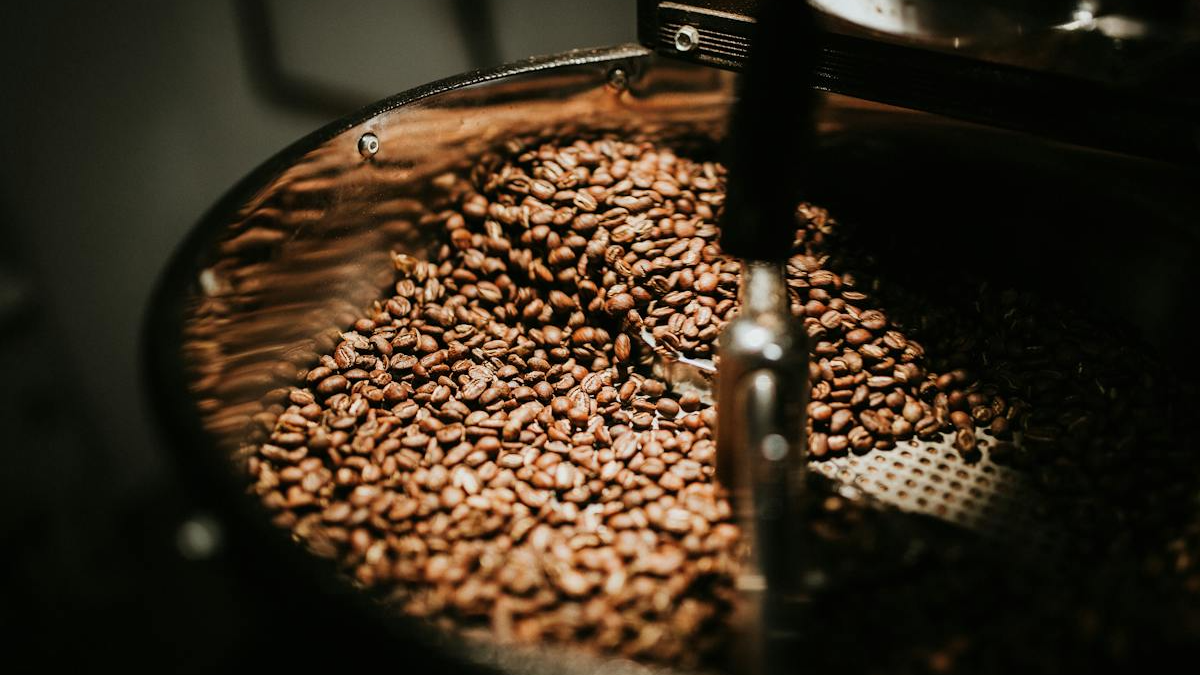
The degree of roast has a significant influence on the grinding process. Generally, darker roasted beans become more brittle and porous, necessitating a coarser grind setting for proper extraction. Lighter roasts, with their denser and less porous nature, usually require a finer grind to bring out the desired flavors effectively.
Freshness and staleness
Part 6

After opening a fresh bag of coffee beans, they will stale more quickly than when sealed, especially in humid conditions like those found in Singapore.
This increased rate of staling can affect your espresso’s crema, leading to a less robust, paler, and possibly sour flavor profile over time. Coffee, much like any perishable good, experiences an inevitable aging process post-roasting that affects its taste and quality.
Addressing the Proper Aging and Extraction of Coffee
Part 7
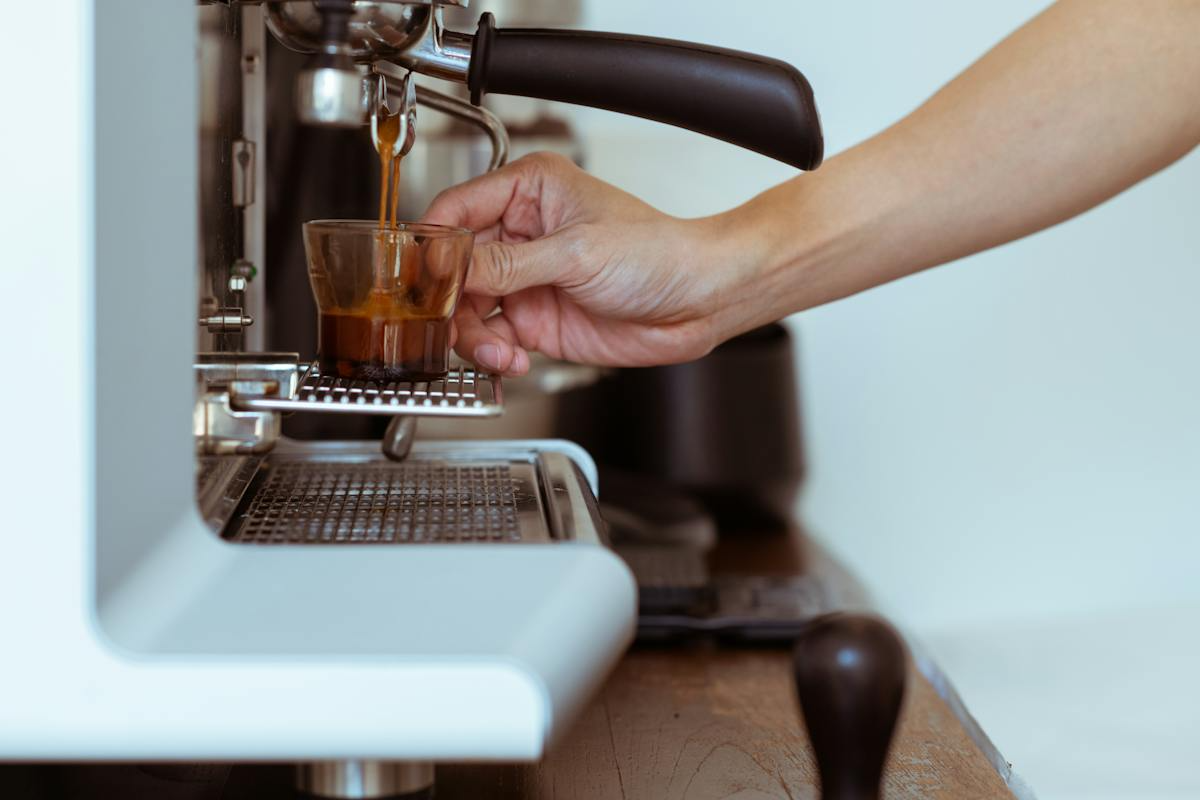
✔ As coffee beans age, their characteristics change, impacting taste, flow, and appearance. To adapt to this natural aging process, you can fine-tune your approach by grinding the beans finer and possibly increasing the dosage by 1 to 2 grams to achieve a more optimal extraction.
✔ While the coffee may not taste exactly the same as when it was fresher, these adjustments help improve the overall quality.
✔ A well-prepared espresso is typically a 25-35 ml beverage (or 50-70 ml for a double) made from 7-9 grams of coffee (14-18 grams for a double) using water at 92-95 degrees Celsius, at 9-10 bars of pressure, with an extraction time of 25-35 seconds.
Ideal Storage
Part 8
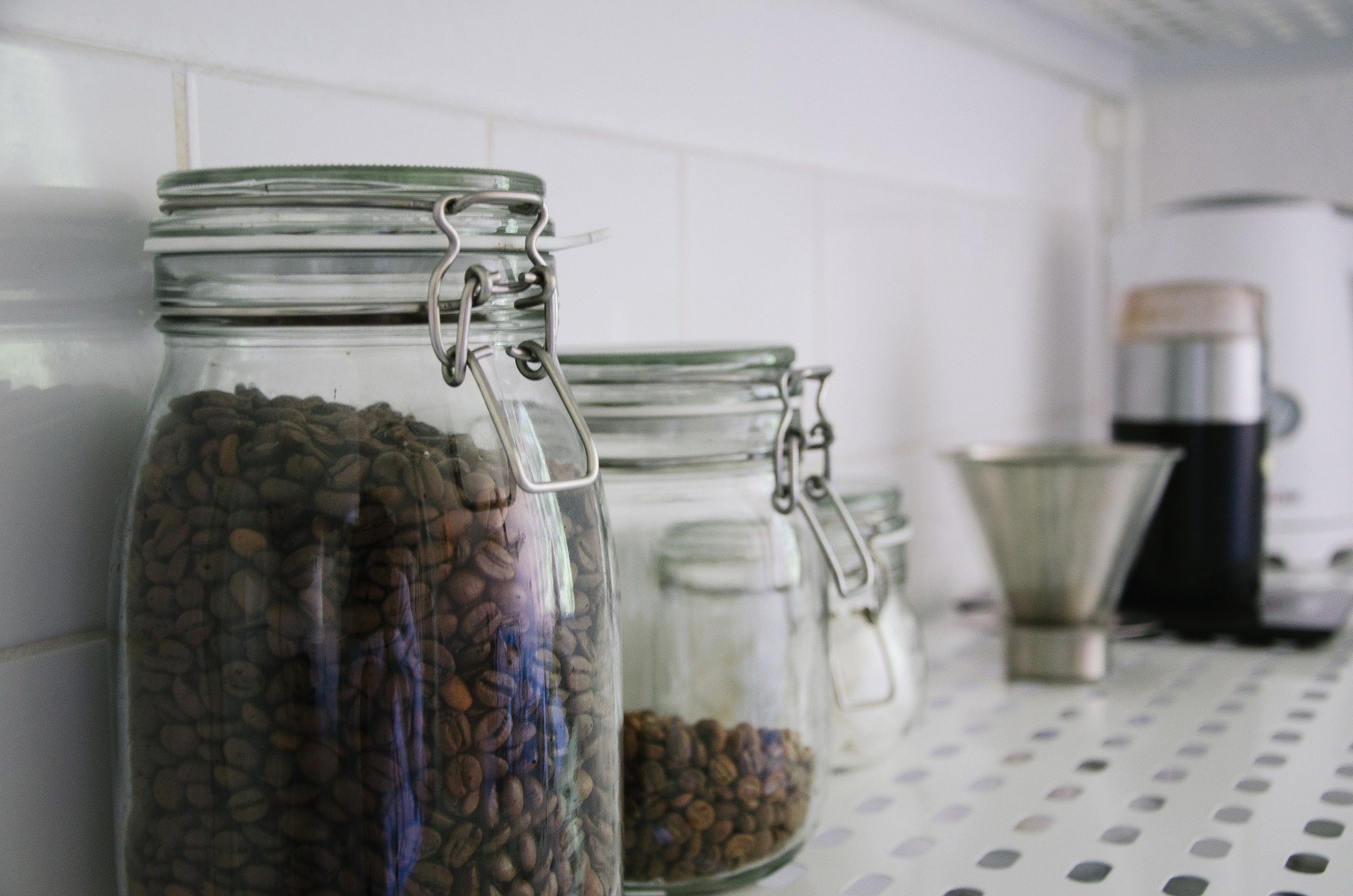
To mitigate the natural aging of coffee, it’s best to store it in an airtight and, if possible, vacuum-sealed container away from light and heat. Avoid refrigeration for coffee storage, as the beans can take on moisture and foreign flavors due to their hygroscopic nature, leading to a deterioration of their inherent flavors and an alteration of the taste.
Roast Date, Flavour and Consumption
Part 9
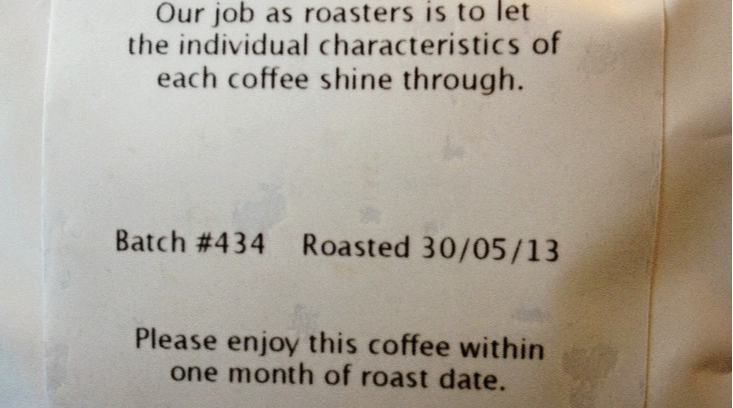
Once ground, coffee beans quickly lose their peak freshness, often within hours or days. In contrast, whole beans that are properly sealed and unopened can stay fresh and flavorful for approximately 4 to 6 weeks. It’s commonly believed that coffee beans reach their optimal flavor profile 7-8 days after roasting.
For the best experience, buy smaller amounts of coffee, such as 250 grams, in a quality airtight bag equipped with a one-way valve to allow gases to escape without letting air in. Aim to consume the beans within 1 to 1.5 weeks if you’re a single or two-person household, and pay attention to the roast date, ensuring that the beans are no more than a few days to 2-3 weeks old when you start using them.
Deep freezing coffee beans
Part 10

*For those who have purchased an excess of freshly roasted coffee beans and do not plan to use them immediately, deep freezing is an option to consider for preserving their freshness.
To do this effectively, ensure the beans are sealed tightly in an airtight container, separate from strong-smelling items like spices or meats to prevent flavor contamination. When you’re ready to use the next batch of frozen beans, allow them to thaw completely overnight before grinding.
For extended storage, freezing the beans in small batches within airtight containers is an option; just be sure to let them thaw to room temperature before breaking the seal, thus protecting against condensation that could spoil the beans’ taste characteristics.

About Highlander Coffee
Founded in 2004, Highlander Coffee is a gourmet coffee roaster and distributor of quality espresso machines in Singapore. As a pioneer in coffee education, we have offered professional barista and coffee appreciation workshops since our inception, training thousands of enthusiasts and professionals.
Our exclusive Highlander Espresso Bar provides a delightful coffee experience.
Our mission is to simplify your coffee journey with consistent quality, personalized service, and reliable after-sales support.
To elevate your coffee experience, visit our page at Highlander Coffee and get in touch with us!
Thank you for Reading!
Blog Article of:
