

Coffee is more than just a morning ritual or a caffeine fix. It’s a rich, complex sensory experience—a symphony of flavors waiting to be discovered. At the heart of this experience lies the elusive concept of balance. But what does balance really mean in coffee? Is it about making coffee neutral or bland? Far from it. Balance refers to the harmonious interaction of flavors that creates a pleasing, cohesive taste experience.
Today, let’s dive deep into the true meaning of balance in coffee, how our tongues perceive the fundamental tastes, and how these tastes interplay to shape every cup you enjoy.
The Four Fundamental Tastes Present in Coffee
Our journey begins with understanding how we perceive taste. Taste perception occurs through receptors on our tongues that detect chemical compounds dissolved in liquids like coffee. These receptors respond mainly to four primary tastes:

1. Sweet
Sweetness is detected primarily at the tip of the tongue by fungiform papillae. It arises from sugars, alcohols, glycols, and certain organic acids. In coffee, sweetness can come from natural sugars in the beans or caramelization during roasting.

2. Salt
Saltiness is sensed by foliate and fungiform papillae on the sides of the tongue. Interestingly, saltiness in coffee doesn’t come from table salt but from mineral salts naturally present in coffee grounds and water.

3. Bitter
Bitterness is detected at the back of the tongue by circumvallate papillae. It’s caused by compounds such as caffeine and quinine. Bitterness adds depth and complexity but can become unpleasant if overpowering.

4. Sour
Sourness is also perceived primarily at the back of the tongue and results from acidic compounds like citric and malic acids in coffee. Acidity contributes brightness and liveliness to the cup.
These tastes are not evenly distributed across the tongue, which influences how we perceive each sip of coffee.
Six Key Taste Interactions Influencing Coffee’s Flavor Profile
Balance in coffee arises not just from the presence of these tastes but from their dynamic interactions. Let’s explore six key ways these tastes modulate one another to produce distinct flavor profiles:

1. Acids Enhance Sweetness – Producing an “Acidy” Profile
Moderate acids like citric or malic acid can elevate perceived sweetness, creating a vibrant, lively cup. Think of a lightly roasted Ethiopian coffee with its bright, fruity notes—this is acidy balance at work.

2. Salts Amplify Sweetness – Creating a “Mellow” Sensation
Mineral salts in coffee enhance sweetness while softening harsh edges, delivering a smooth and comforting flavor profile. This mellow character is often found in naturally processed Brazilian coffees.

3. Sugars Subdue Acidity – Yielding a “Winey” Flavor
Sweetness can mask sharp acidity, resulting in richer, grape-like or raisin-like flavors common in fermented natural or honey-processed coffees.

4. Sugars Diminish Saltiness – Resulting in a “Bland” Taste
Knowing how different tastes interact helps you adjust grind size, brewing time, or water temperature to highlight your preferred flavor profile.

5. Acids Intensify Saltiness – Leading to a “Sharp” Edge
Strong acids combined with salts without enough sweetness can create an edgy, harsh sensation, sometimes found in under-extracted espresso or overly bright filter coffees.

6. Salts Reduce Acidity – Producing a “Soury” Effect
High mineral content can suppress acidity’s brightness, resulting in muted sourness and a dull finish, often observed in some dark roasts.
Summary Table: Taste Combinations and Their Sensory Effects
Interaction | Resulting Flavor Description |
Acids + Sugars | Acidy — Bright and fruity sweetness |
Salts + Sugars | Mellow — Smooth and rounded |
Sugars + Acids | Winey — Grape-like and fermented |
Sugars + Salts | Bland — Flat and unremarkable |
Acids + Salts | Sharp — Edgy and potentially harsh |
Salts + Acids | Soury — Muted acidity and dullness |

The Essence of Balance in Coffee
Balance isn’t about making all tastes equal or turning coffee into a flavorless beverage. Instead, it’s about having these elements present in just the right proportions to create unity—a harmonious whole that’s greater than the sum of its parts.
A well-balanced coffee doesn’t scream “sweet” or “bitter.” Instead, it offers a seamless experience where sweetness lifts acidity, bitterness adds complexity without overpowering, and saltiness rounds out the edges. Each sip feels complete and satisfying.
When you understand this delicate interplay, your appreciation for coffee deepens—and so does your ability to brew and taste with intention.
How Understanding Balance Improves Your Coffee Journey
Brewing:
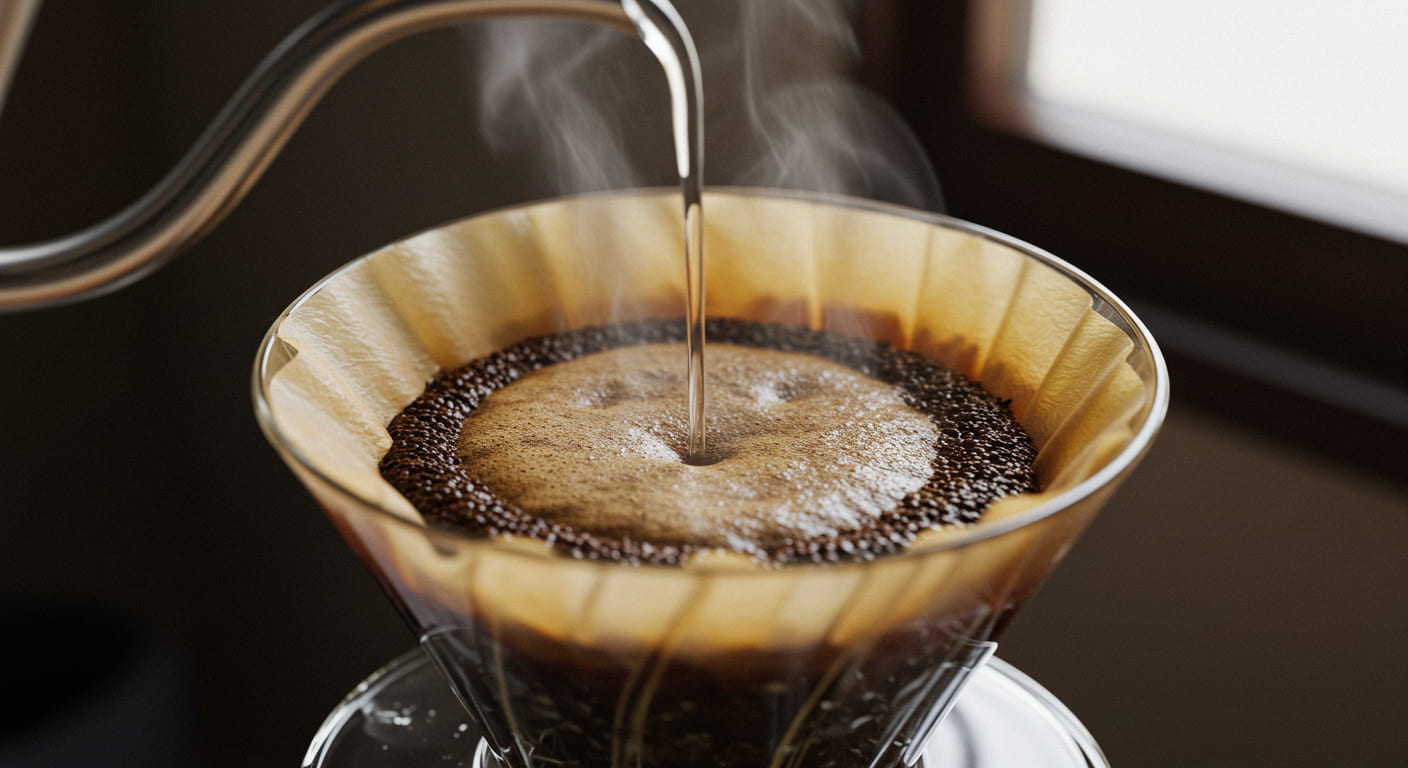
Knowing how different tastes interact helps you adjust grind size, brewing time, or water temperature to highlight your preferred flavor profile.

Tasting:
You’ll be able to identify flavor notes more clearly and understand why some coffees taste bright and fruity while others feel mellow or sharp.

Choosing Beans:
Understanding balance guides you toward origins and roast styles that suit your palate—from acidic Ethiopian beans to mellow Brazilian naturals.
Frequently Asked Questions (FAQs)
About Balance in Coffee
Does balanced coffee mean it tastes mild or weak?
No. Balanced coffee means the flavors are harmonious and well-proportioned—not muted or dull. It can be vibrant, complex, or bold while still balanced.
Can bitterness be balanced in coffee?
Absolutely. Bitterness adds depth when balanced with sweetness and acidity. Too much bitterness without counterbalance can taste harsh.
How does water quality affect balance?
Water mineral content influences saltiness and acidity perception, impacting overall balance. Using filtered water with balanced mineral content is key for consistent brewing
Key Takeaways
Balance means harmony, not neutrality:
It’s about how sweetness, saltiness, sourness, and bitterness complement each other in just the right proportions.
Taste interactions shape flavor profiles:
Six key interactions like acids enhancing sweetness or sugars softening acidity define your coffee’s character.

Understanding balance empowers better brewing and tasting:
It guides your choice of beans, roast levels, and brewing techniques for a more enjoyable cup every time.

About Highlander Coffee
Founded in 2004, Highlander Coffee is a gourmet coffee roaster and distributor of quality espresso machines in Singapore. As a pioneer in coffee education, we have offered professional barista and coffee appreciation workshops since our inception, training thousands of enthusiasts and professionals.
Our exclusive Highlander Espresso Bar provides a delightful coffee experience.
Our mission is to simplify your coffee journey with consistent quality, personalized service, and reliable after-sales support.
To elevate your coffee experience, visit our page at Highlander Coffee and get in touch with us!
Blog Article of:
