

Coffee is one of the most popular beverages in the world, enjoyed by millions of people every day. If you love coffee or even just enjoy it, have you ever wondered about its origins, brewing process, and what makes it unique? about its origins, brewing process, and what makes it unique?

With an estimated 2.25 billion cups consumed every day. But what is coffee, exactly? Coffee is a brewed beverage made from roasted coffee beans, which are the seeds of the Coffea plant. There are over 100 species of Coffea, but the two most commonly cultivated for coffee production are Coffea arabica and Coffea Robusta. Today, coffee is grown in over 70 countries around the world, with Brazil, Vietnam, and Colombia being the top three coffee-producing countries.
Coffee is typically grown in regions near the equator with sufficient rainfall, warm temperatures, and rich soil due to the specific climatic and environmental conditions required for its cultivation. The coffee industry is a major contributor to the global economy, providing employment and income for millions of people around the world.
Despite its immense potential, the industry encounters multiple challenges such as deforestation, water usage, fair labour practices, and income inequality. Although there are challenges, coffee is still a popular drink with a distinct flavor and aroma that millions of people worldwide enjoy for their daily boost.
In this article, we’ll delve into coffee’s history, the diverse types of beans, their cultivation and harvest, and the process of roasting and blending to craft the distinct flavours and fragrances we cherish.
We’ll explore various coffee brewing techniques, including traditional drip and modern espresso machines, as well as the types of milk commonly used in popular coffee drinks. Coffee and food pairings will also be examined.
Coffee is not just about taste and aroma – it also has a rich cultural and social history. Let’s see how coffee culture shaped society and daily life worldwide – from the Coffeehouses of Europe to the bazaars of the Middle East.
In addition, we’ll examine the coffee industry, from bean to market, and the ethical and environmental concerns that surround it. We will examine coffee’s health benefits and risks, and explore upcoming trends in the industry. Whether you love coffee, make it for a living, or are just curious, this article covers all things coffee.
Coffee MAP
A Brief History of Coffee
What is Coffee?
Coffee Varieties – Understanding Different Coffee Varieties
The Coffee Tree – From Planting to Harvesting The Cultivation of Coffee
Harvesting and Processing of Coffee
Roasting and Grinding Coffee
Buying and Storing Coffee
The Art of Coffee Brewing
Milk Used for Coffee Beverages
Coffee and Food Pairings
How Coffee Culture Shapes Society and Daily Life
Coffee Culture Around the World
Health Benefits and Risks of Coffee
Ethical and Environmental Concerns
Emerging Trends
Summary
A Brief History of Coffee
Part 1
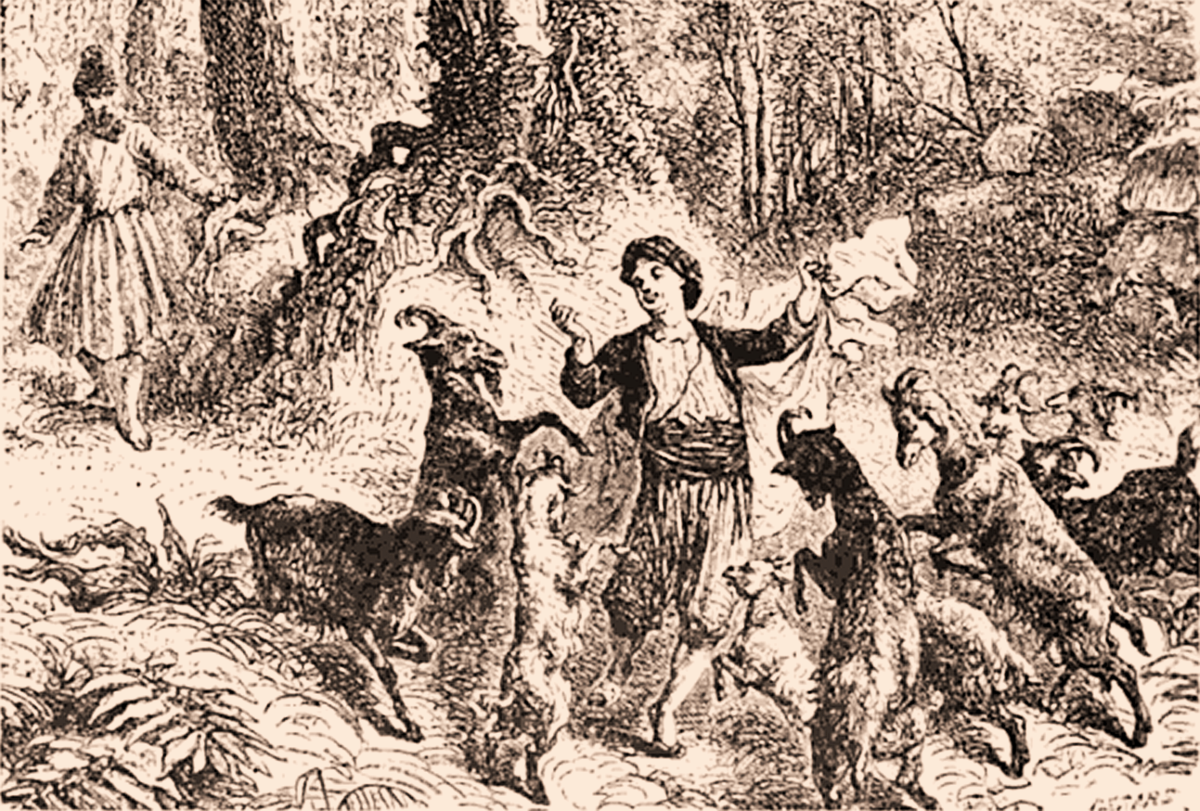
Coffee has a rich and fascinating history that spans centuries and continents. The origins of coffee are somewhat shrouded in mystery, with various legends and stories about its discovery. One popular legend tells of a young Ethiopian goatherd named Kaldi, who noticed that his goats became more energetic after eating the berries of a certain plant. Kaldi tried the berries himself and found that they had a stimulating effect, leading him to share his discovery with others.
Another story attributes the discovery of coffee to Sheikh Omar, a Muslim mystic who was exiled to a desert cave in Arabia. According to legend, Sheikh Omar survived by eating the fruit of a nearby coffee plant and brewing its beans into a stimulating beverage.
While the exact origins of coffee are unclear, it is generally believed that the Coffea plant is native to Ethiopia and the surrounding regions of East Africa. From there, coffee spread to other parts of the world through trade and colonization. In the 15th century, coffee was introduced to the Arabian Peninsula, where it became an important part of Islamic culture and religious rituals. From Arabia, coffee was traded along the Silk Road and eventually made its way to Europe.
Coffeehouses began to spring up in European cities in the 17th century, and coffee quickly became a popular beverage among the wealthy and educated classes. In the 18th century, coffee plantations were established in various parts of the world, including the Americas, Africa, and Asia, leading to a global coffee trade that continues to this day.
In this day and age, coffee has firmly become a cornerstone in people’s lives, its influence being felt in every corner of the globe and many individuals beginning their day with a warm cup of java. Its origins shrouded in mystery in Ethiopia, and its omnipresence in modern culture, coffee has had an indisputable role in human history and continues to enthrall people from all walks of life.
What is Coffee?
Part 2
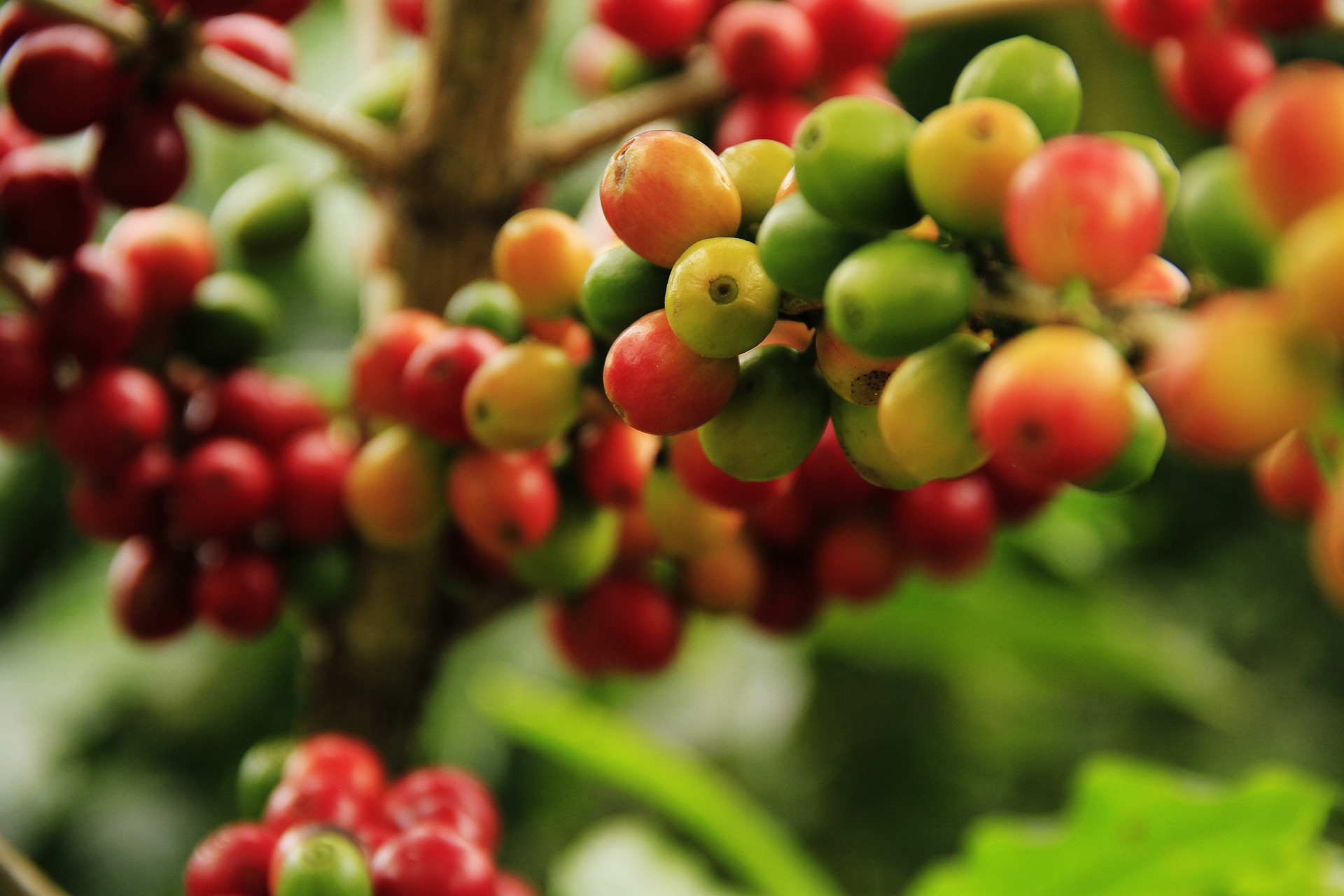
Coffee is a popular and extensively consumed beverage made from the roasted seeds of the fruits of the Coffea plant, sometimes known as coffee beans. These beans are found within the coffee cherry, which has an outer shell (exocarp), a thin layer of pulp (mesocarp), and a slimy layer (parenchyma). Coffee’s scientific definition is rubiaceous trees or shrubs Coffea Arabica and Coffea Robusta, which produce caffeine and theophylline.
From planting and harvesting to processing, drying, milling, exporting, tasting, and roasting – there are many steps in the coffee-making process. After the beans are roasted, they are ground and soaked in hot water, before being filtered out for a cup of this delicious beverage. Enjoy it hot or cold for a range of health benefits, from lowering the risk of disease to supplying antioxidants. So, grab a cup and enjoy this reader-friendly beverage!
Coffee Varieties – Understanding Different Coffee Varieties
Part 3
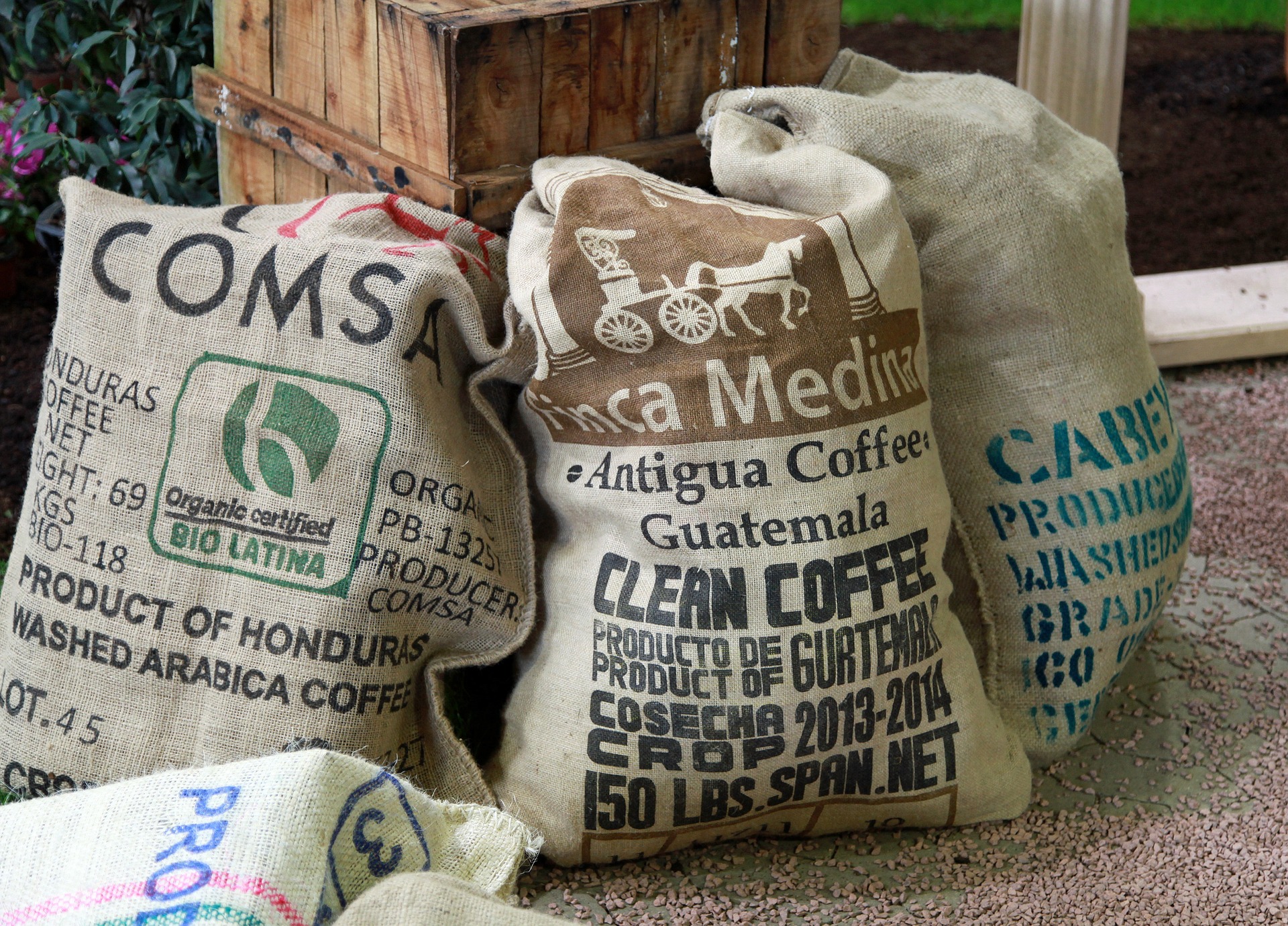
Coffee’s beloved qualities, rich flavours, enthralling aromas, and energizing effects are the reason millions around the world enjoy it. What makes coffee even more fascinating is the different types of beans available and the varied characteristics that come from different regions of the world. Each region has its own special climate, soil, and growing conditions, which make for an array of flavours, aromas, and characteristics.
1. Arabica Coffee
The most widely grown and consumed coffee variety in the world. It is known for its delicate and nuanced flavour profile, with notes of fruit, flowers, and spices. Arabica coffee is grown in high-altitude regions with cool temperatures and ample rainfall, such as Central and South America, Africa, and Asia. Some notable Arabica varieties include:
a. Bourbon:
Originating from the island of Réunion, Bourbon is grown in countries like Brazil, Colombia, and Rwanda. It has a sweet, complex flavor with fruity and chocolate notes.
b. Typica:
This is the original Arabica variety from which others have evolved. It is grown in countries such as Ethiopia, Jamaica, and Panama. Typica has a clean, sweet taste with mild acidity and floral notes.
c. Geisha:
Originally from Ethiopia, Geisha is now mainly cultivated in Panama. It is highly sought after for its unique flavor profile, which includes jasmine, bergamot, and tropical fruit notes

2. Robusta Coffee
A hardy variety that is grown in lower-altitude regions with warmer temperatures and less rainfall, such as Africa and Asia. It is known for its strong and earthy flavor profile, with notes of chocolate and nuts. Robusta coffee is often used in espresso blends to add body and crema. Some notable Robusta varieties include:
a. Nganda
Mainly grown in Uganda, Nganda is a high-quality Robusta variety known for its strong, earthy flavor and full body.
b. Conilon
Grown in Brazil, Conilon is a Robusta variety that offers a bold, intense flavor with low acidity and hints of chocolate.
Liberica (Coffea liberica)
Liberica beans are less common and primarily grown in West Africa, Southeast Asia, and the Philippines. They have a distinct, bold flavor profile with fruity and smoky notes. Due to their rarity, Liberica beans are considered a specialty coffee variety.
Excelsa (Coffea excelsa)
Excelsa beans, a sub-variety of Liberica, are primarily grown in Southeast Asia and are known for their unique flavor profile, combining fruity, tart, and sometimes spicy notes. They are typically used as a blending component to add complexity to coffee blends.
3. Blend Coffee
Created by combining different coffee varieties and roasts to achieve a desired flavor profile. Blending can enhance the sweetness, acidity, and body of coffee, as well as create unique and complex flavors. Some popular coffee blends include Breakfast Blend, French Roast, and Italian Roast.
4. Single Origins Coffee
Made from beans that are sourced from a specific region or country and are not blended with beans from other regions. This allows the unique characteristics of the coffee to shine through, such as its flavor, aroma, and acidity. Some popular single origin coffees include Ethiopian, Colombian, and Kenyan.
5. Specialty Coffee
Refers to coffee that is grown, harvested, and roasted with exceptional care and attention to detail. It is typically made from high-quality Arabica beans and is often sourced from single origin farms. Specialty coffee is known for its unique and complex flavor profiles, as well as its commitment to sustainability and ethical sourcing.
Different coffee varieties and blends can suit individual taste preferences and brewing methods. Experimenting with various types can introduce new and exciting flavours. Altitude, soil composition, and climate affect coffee beanflavourr profiles. Coffee-producing regions include Central and South America, Africa, Asia, and the Pacific. Ethiopian coffee has complex fruityflavourss and bright acidity, while Colombian coffee has medium acidity, nutty, and chocolatey notes. Indonesian coffee has an earthy, spicy, and full-bodied taste, while Brazilian coffee has a range of sweet, nutty, and fruity profiles.
The Coffee Tree – From Planting to Harvesting The Cultivation of Coffee
Part 4
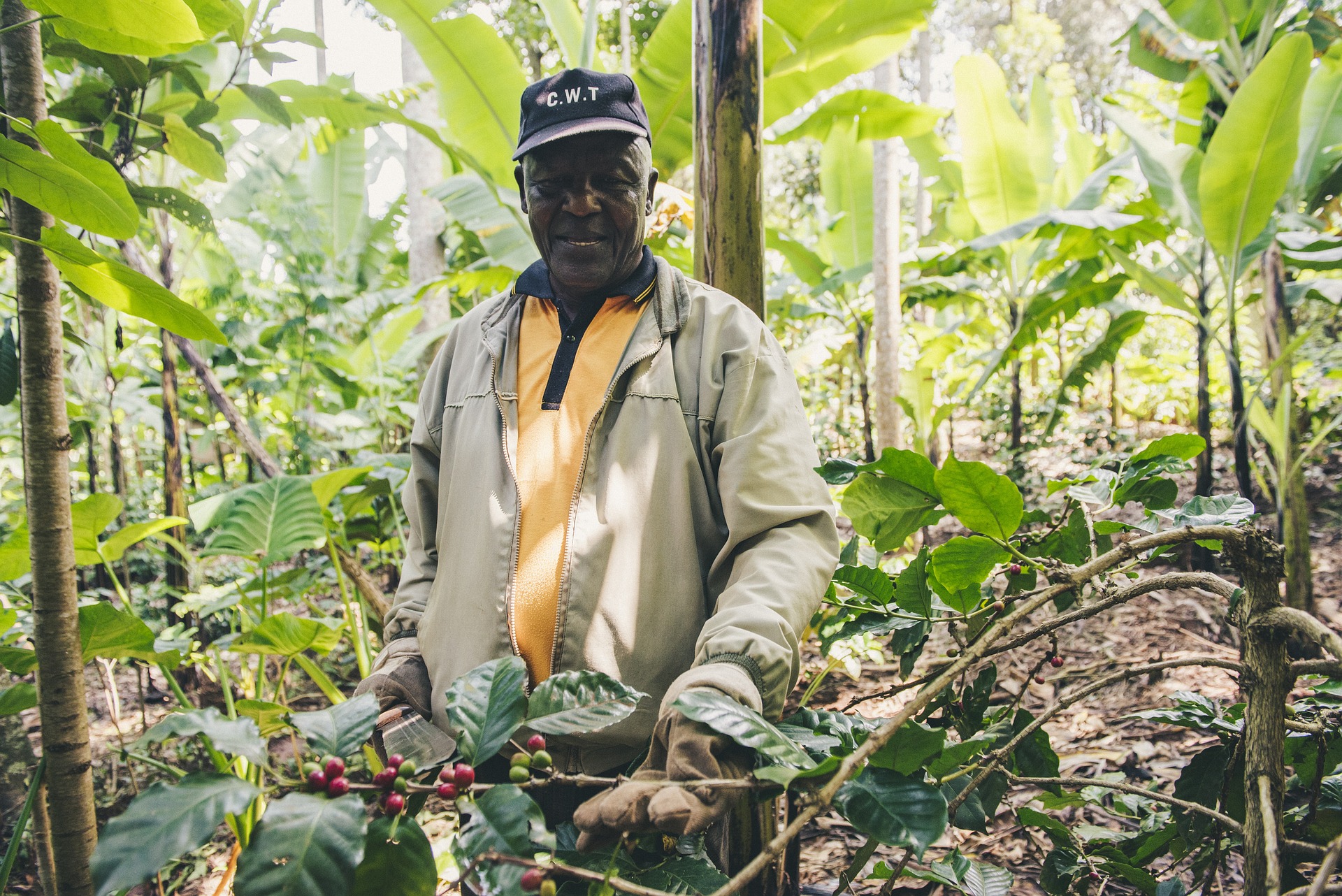
Coffee farming is a complex and multi-step process that involves everything from planting and pruning to harvesting and processing. Coffee farmers must carefully manage each stage of the process to ensure a high-quality crop.
Coffee is typically grown on small family farms, where it is hand-picked by skilled workers. The berries are then sorted and processed using one of two primary methods: the dry method or the wet method.
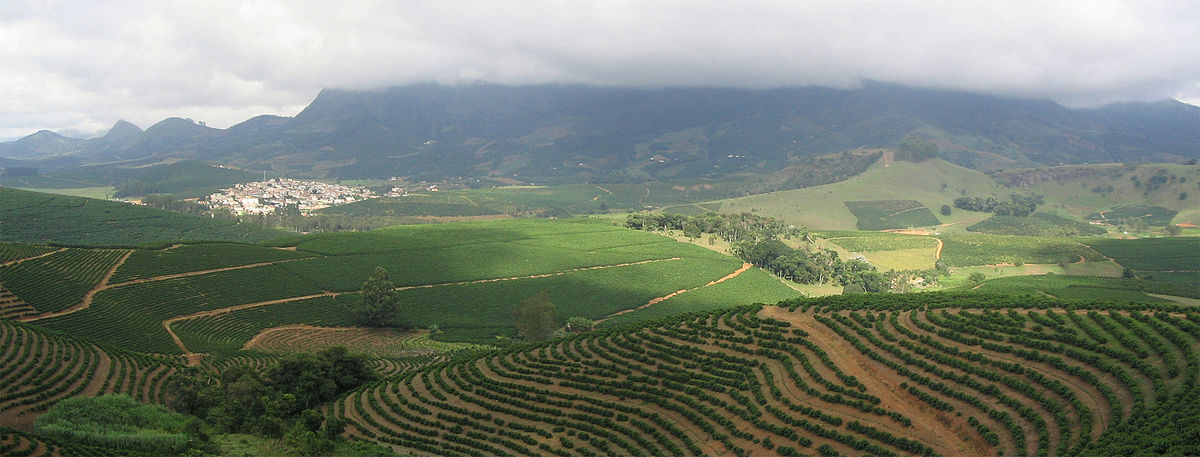
Coffee is grown in regions around the world, typically in areas near the equator where there is sufficient rainfall, warm temperatures, and rich soil. The Coffea plant is a shrub or small tree that can grow up to 30 feet tall, although it is usually pruned to a more manageable size for cultivation.
Coffee plants are usually propagated through seeds, which are often referred to as “coffee beans.” These seeds are typically planted in nurseries and then transplanted to the field once they have reached a certain size. Coffee plants can take several years to mature and produce their first crop, but they can continue to produce for several decades if well-maintained.
There are two main species of Coffea that are commercially cultivated for their beans: Coffea arabica and Coffea robusta. Arabica beans are generally considered to be of higher quality and are more commonly used in specialty coffees, while Robusta beans are typically used in mass-market blends and instant coffees.
Coffee plants require a significant amount of care and attention, including regular pruning, fertilization, and pest management. Coffee is grown differently in various regions. Some use traditional methods (like shade-grown and organic farming), while others use modern techniques (such as irrigation and mechanized harvesting).
One of the biggest challenges facing coffee cultivation today is climate change. Rising temperatures, changing rainfall patterns, and increased incidence of pests and diseases are all affecting coffee production around the world. To address these challenges, many coffee farmers are exploring new methods of cultivation and incorporating sustainable practices to ensure the long-term viability of their crops.
Despite the challenges, coffee remains an important crop for many countries, providing income and employment for millions of people around the world. From its humble beginnings in Ethiopia to its global reach today, coffee cultivation continues to be a fascinating and important part of agricultural history.
Harvesting and Processing of Coffee
Part 5
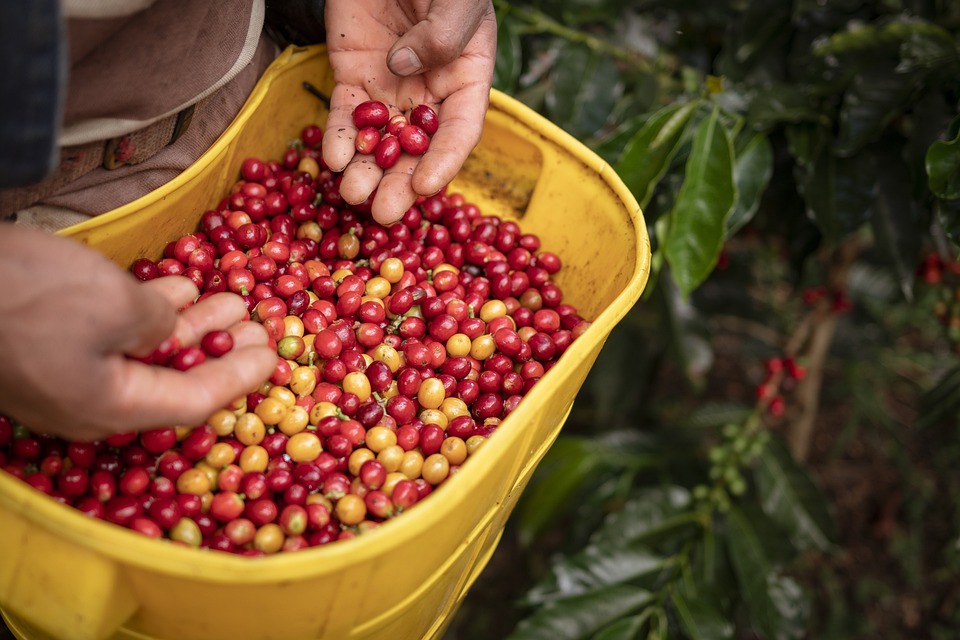
Coffee harvesting is a fascinating process that involves careful attention and skill to ensure the best quality beans are collected. The journey of coffee beans from farm to cup begins with the harvesting of coffee fruits, also known as cherries.
There are two primary methods of harvesting coffee: traditional (selective picking) and modern (strip picking).
Traditional Methods of Harvesting (Selective Picking)
In this method, farmers carefully handpick only the ripe coffee cherries, leaving the unripe ones on the tree for later harvests. This labor-intensive process requires multiple visits to each tree throughout the harvest season, ensuring that only the best cherries are collected. Selective picking results in a higher quality coffee since it allows for better control over the ripeness of the cherries being harvested.
Modern Methods of Harvesting (Strip Picking)
Strip picking is a more efficient method that involves removing all cherries from the tree, regardless of their ripeness. This can be done either by hand or using mechanical harvesters. While strip picking is faster and requires fewer workers, it can result in a mix of ripe and unripe cherries, potentially affecting the overall quality of the coffee.
Once the coffee cherries are harvested, they undergo processing to remove the outer layers and reveal the precious coffee beans inside. There are two main processing methods: wet processing and dry processing.
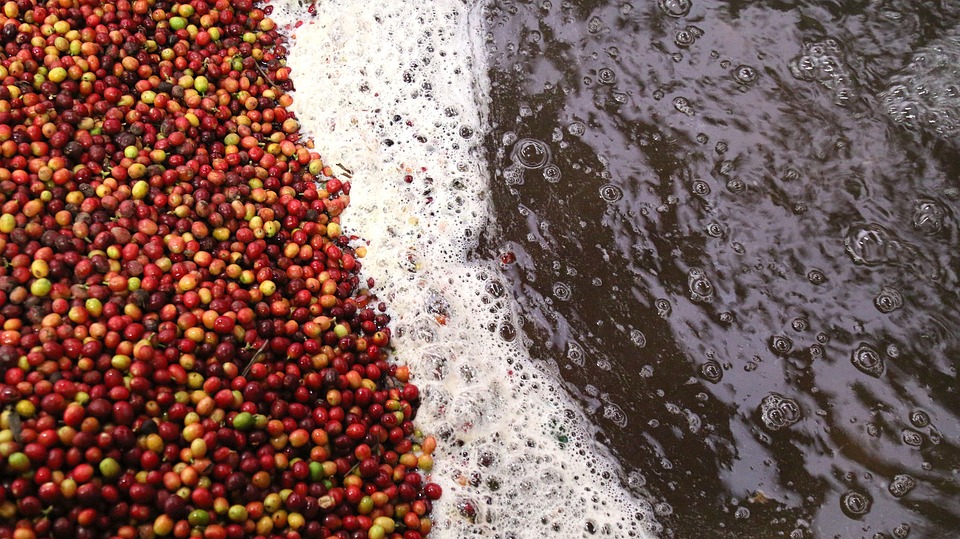
Wet Processing
In this method, the cherries are submerged in water, where the ripe cherries sink and the unripe ones float. The ripe cherries are then passed through a pulping machine to separate the beans from the fruit’s outer skin and pulp. The beans are then fermented, washed, and dried before being sorted and packed for export.
Dry Processing
Also known as the natural method, dry processing involves spreading the harvested cherries out in the sun to dry for several weeks. During this time, the cherries are regularly turned to ensure even drying. Once dried, the cherries are hulled to remove the outer layers and reveal the coffee beans inside.
After processing, the coffee beans are sorted, graded, and packed for export. The beans then make their way to roasters and cafes around the world, where they are transformed into the delicious coffee, we all know and love.
Roasting and Grinding Coffee
Part 6
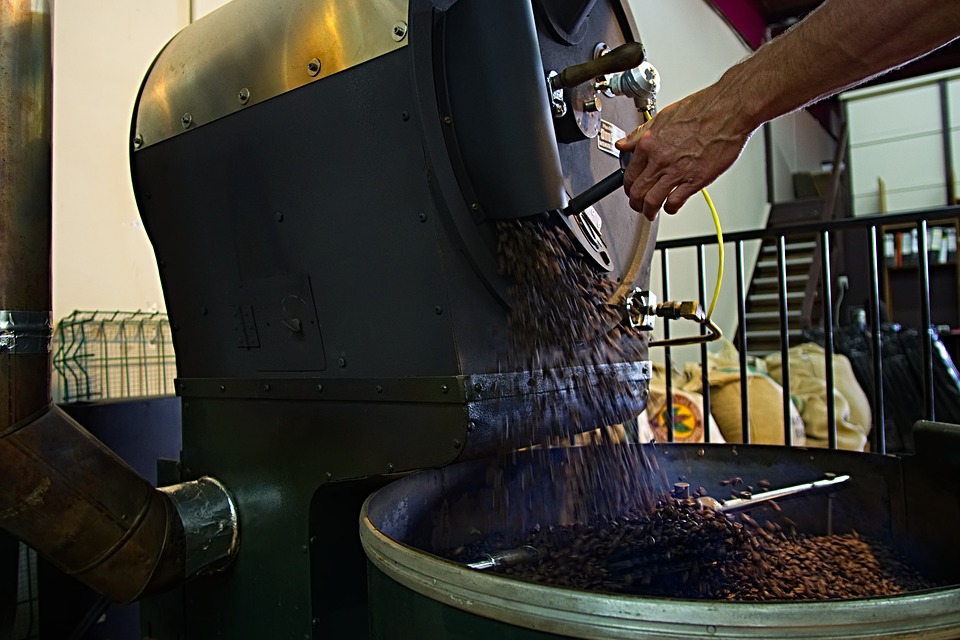
Roasting is the process of heating the green coffee beans to an elevated temperature to bring out their flavor and aroma. Roasting can be done using a variety of methods, from traditional drum roasting to more modern hot-air roasting. The roast level can vary from light to dark, with each level producing different flavors and aromas.
The roasting process causes chemical changes in coffee beans, affecting acidity, body, caffeine, and bitterness levels based on the degree of roast.
1. Acidity
Lighter roasts tend to have higher acidity, as the organic acids present in the beans are preserved. As the roast gets darker, these acids break down, resulting in a lower acidity level.
2. Body
The body of coffee refers to its mouthfeel or texture. Light roasts generally have a lighter body, while medium and dark roasts develop a fuller body due to the caramelization of sugars and the breakdown of fibers within the beans.
3. Caffeine
Contrary to popular belief, the difference in caffeine content between light and dark roasts is minimal. However, slightly more caffeine may be present in lighter roasts since the beans are denser, and less of their mass is lost during roasting.
4. Bitterness
Bitterness in coffee is influenced by the degree of roast. Light roasts exhibit less bitterness, as the bitter-tasting compounds are not yet fully developed. As the roast progresses, these compounds increase, making medium and dark roasts more bitter in taste.
The degree of coffee roast impacts various flavor and sensory aspects of the final brew. Experimenting with different roast levels can help you find the perfect balance of acidity, body, caffeine, and bitterness to suit your personal preferences.
Light Roast
Also known as a cinnamon roast or half city roast, light roast coffee beans have a lighter color and mild flavor, with higher acidity levels.
Medium Roast
Commonly referred to as a city roast or regular roast, medium roast coffee beans have a medium brown color and balanced flavor profile, with slightly lower acidity than light roasts.
Medium-Dark Roast
Often called a full city roast or Vienna roast, medium-dark roast coffee beans have a richer color and bolder flavor, with some oil on the surface of the beans.
Dark Roast
Known as a French roast, Italian roast, or espresso roast, dark roast coffee beans have a deep, dark brown color and a strong, bold flavor, with a shiny, oily surface.
Once the coffee beans have been roasted, they are cooled and then ground to the desired consistency. The grind size can vary depending on the brewing method, with finer grinds used for espresso and coarser grinds used for French press or drip coffee.

Grinding coffee beans is related to freshness because the process releases the volatile compounds and oils responsible for the rich flavours and aromas in coffee. When coffee beans are left whole, they retain their freshness longer as the surface area exposed to air is minimal. However, once the beans are ground, the increased surface area allows for faster oxidation and loss of these essential compounds.
Grinding just before brewing ensures that you capture the maximum freshness, flavor, and aroma in your cup of coffee. Pre-ground coffee tends to lose its freshness more quickly, leading to a less flavourful and aromatic experience. By grinding your own beans, you can maintain the quality and enjoy a fresher, more satisfying cup of coffee.
In a high humidity country like Singapore, the grind size for espresso can be significantly impacted due to the moisture in the air. Humidity affects how coffee beans behave during grinding and extraction, which in turn influences the final taste of the espresso. Coffee beans are extremely sensitive to the environment, and humidity is just one of the many factors that can alter their flavor.
When there is high humidity, coffee beans tend to absorb more moisture from the air, making them less brittle and harder to grind. This can result in an uneven grind with both fine and coarse particles. In this case, you may need to adjust your grinder to a finer setting to ensure a more consistent grind size. Since water takes the path of least resistance, it will flow through the areas with less resistance (coarser particles) and may under-extract the finer particles, leading to a less balanced flavor profile. By using a finer grind, you can achieve a more even extraction and a better-tasting espresso.
It’s essential to monitor the humidity levels in your environment and adjust your grind size accordingly. Calibrating your grinder regularly can help you achieve the optimal grind size for your espresso, regardless of the weather conditions. Additionally, storing your coffee beans in an airtight container can also help minimize the impact of humidity on your beans.
The type of coffee roast you use has a significant impact on how you should set your espresso grinder. For light roasts, the beans are denser and harder, so you need to use a finer grind setting to extract all the flavor and acidity. But be careful — grinding too finely can lead to over-extraction and bitterness. For dark roasts, the beans are less dense and more brittle, so you’ll want a coarser grind setting. This will help preserve the bold flavors of dark roasts without becoming bitter or burnt. Finding the right balance is key!
The quality of the roast and grind can have a significant impact on the final flavor and aroma of the coffee. Under-roasting can result in a sour or grassy flavor, while over-roasting can produce a burnt or bitter taste. Similarly, using the wrong grind size for the brewing method can result in weak or over-extracted coffee.
Whether enjoyed in a bustling café or sipped at home, the final product of roasting and grinding coffee is a true delight for the senses.
Buying and Storing Coffee
Part 7

If you’re a coffee lover, you know that the quality of your beans can make or break your morning cup. But did you know that how you store your coffee can also have a significant impact on its freshness and flavor? Here are some tips to help you buy and store coffee to maximize its taste and aroma.
Storage Tips
To preserve your beans’ fresh roasted flavor as long as possible, store them in an opaque, air-tight container at room temperature. Coffee beans can be beautiful, but avoid clear canisters which will allow light to compromise the taste of your coffee. Keep your beans in a dark and cool location. A cabinet near the oven is often too warm, and so is a spot on the kitchen counter that gets strong afternoon sun. Coffee’s retail packaging is generally not ideal for long-term storage. If possible, invest in storage canisters with an airtight seal.
Buy the Right Amount
Coffee begins to lose freshness almost immediately after roasting. Try to buy smaller batches of freshly roasted coffee more frequently – enough for one or two weeks. Coffee’s flavor profile changes over time, so buying smaller amounts of coffee more frequently ensures that you always have fresh, delicious coffee on hand.
Myth or Fact: You Should Store Your Coffee Beans in the Freezer
Fact! The type of coffee you purchase does matter, and we recommend using high-quality, freshly roasted beans if you want good coffee every time you brew a cup. Here’s why that matters when you’re choosing coffee in your local grocery store. Coffee beans start to lose their freshness after four weeks of shelf life. Many supermarkets can’t rotate out their stock at that rate. That means the bag of coffee you take home will be a much lower quality product than what you would from our cafe.
Storing coffee in the freezer can help prolong its freshness. However, it’s essential to do it the right way. First, make sure your beans are in an airtight container to avoid freezer burn. Second, only freeze your beans once and avoid taking them in and out of the freezer repeatedly. Lastly, allow your beans to come to room temperature before grinding and brewing.
Myth or Fact: Whole Bean Coffee Lasts Longer Than Ground
Fact! Buying whole beans will also help keep your coffee fresh for longer. Grind the amount you need immediately before brewing and store the rest. If you like to get your coffee ground, be sure you keep your grounds nice and dry. Don’t store grounds in areas exposed to moisture like the refrigerator or freezer as this will cause condensation and affect the flavour. Instead, keep them in an airtight container at room temperature. It’s also best to use your ground coffee within a week or two of opening the package to ensure maximum freshness. By taking these simple steps, you can ensure that you always have a delicious cup of coffee ready to go whenever you need it.
The Art of Coffee Brewing
Part 8

Brewing a great cup of coffee is an art form that requires practice and patience. Experimenting with these factors and variables, along with the chosen brewing method, will help you create the perfect cup of coffee tailored to your preferences. The way coffee is brewed can greatly affect its taste, aroma, and overall quality. Let us explore some of the most popular methods of coffee brewing and the techniques used to achieve the perfect cup.
-
Drip Brewing
One of the most popular methods of coffee brewing, especially in the United States. It involves placing coffee grounds in a paper or metal filter, which is then placed in a coffee maker. Hot water is then poured over the grounds and drips through the filter into a carafe. This method is known for producing a smooth and consistent cup of coffee.
-
French Press
Also known as a press pot or plunger pot, is a method of coffee brewing that originated in France. It involves steeping coffee grounds in hot water for several minutes, then pressing down a plunger to separate the grounds from the liquid. This method is known for producing a strong and bold cup of coffee with a rich and full-bodied flavor.
-
Espresso
A method of coffee brewing that originated in Italy. It involves using a special machine to force hot water through finely ground coffee beans at high pressure. This results in a concentrated shot of coffee with a thick layer of crema on top. Espresso is used as the base for many popular coffee drinks, such as cappuccinos and lattes.
-
AeroPress
A unique coffee maker that combines elements of French press and pour-over brewing methods. It is a compact, lightweight, and portable device, consisting of a cylindrical chamber, a plunger, and a paper or metal filter. The AeroPress produces a smooth, rich, and less acidic cup of coffee in a short amount of time.
-
Pour Over
Pour over brewing is a manual method of coffee brewing that involves pouring hot water over coffee grounds in a filter. This is typically done using a kettle with a narrow spout, which allows for greater control over the water flow. This method is known for producing a clean and bright cup of coffee with a pronounced acidity.
-
Cold Brew
A method of coffee brewing that involves steeping coffee grounds in cold water for several hours. This results in a smooth and mellow cup of coffee with low acidity and bitterness. Cold brew coffee is often served over ice and can be flavoured with syrups or milk.
Choosing the right brewing method can maka significant difference in the taste and quality of your coffee. Experimenting with different methods and techniques can also help you discover new and exciting flavour profiles. Each method of coffee brewing has its own unique characteristics and requires specific techniques to achieve the best results.
No matter what brewing method is used, there are several factors that can affect the final flavour and aroma of the coffee, including :
- Freshness: Coffee freshness is crucial in making a good cup because it ensures that the beans retain their optimal flavor, aroma, and natural oils. Fresh coffee has a richer, more satisfying taste than stale coffee which can lose its distinct characteristics and taste flat or bitter.
- Coffee beans: The quality and type of coffee beans play a crucial role in the final taste. Arabica and Robusta are the two main species of coffee beans, each offering distinct flavours and characteristics.
- Roasting: The roasting process transforms green coffee beans into the brown ones we know and love. Different roasting techniques and profiles (light, medium, or dark roast) can bring out various flavours and aroma compounds in the beans.
- Grinding: The grind size of coffee beans affects the extraction process during brewing. A finer grind is suitable for espresso machines, while a coarser grind works better for French press or cold brew methods.
- Brewing method: There are several brewing methods, including drip coffee makers, espresso machines, pour-over, French press, AeroPress, Moka pot, and cold brew. Each method extracts flavors differently and contributes to the final taste, strength, and mouthfeel of the coffee.
- Water quality: Using clean, filtered water free of chlorine is essential for making a good cup of coffee. Water temperature also plays a role in the extraction process, with an ideal range of 195°F to 205°F (90°C to 96°C).
- Coffee-to-water ratio: The amount of coffee used in relation to the water affects the strength and flavor of the brew. A general guideline is to use 1 gram of coffee per 15-18 grams of water, but personal preferences may vary.
- Brewing time: The duration of the brewing process influences the extraction of flavours and compounds from the coffee grounds. Over-extraction can result in bitter flavours, while under-extraction can lead to a weak, watery taste.
- Brewing temperature is crucial in making a good cup of coffee. Ideally, the temperature should be between 195°F (91°C) and 205°F (96°C) to ensure the optimal extraction of soluble compounds and a well-balanced and flavorful cup. If the temperature is too high, over-extraction occurs, resulting in bitterness and excessive strength. Conversely, too low temperature leads to under-extraction, leading to a weak, sour, or acidic taste.
- Personal preference or subjectivity plays a crucial role in determining whether coffee is good or bad for an individual because it involves personal taste, aroma preferences, and individual experiences with coffee. People have diverse palates and unique sensory perceptions, leading to varied opinions on the flavor profiles and enjoyment of coffee.
Once the coffee is brewed, it is important to serve it in the proper way. Coffee should be served hot and fresh, with cream, sugar, or other additions added according to personal taste. The type of cup used to serve coffee can impact its taste and smell. Some coffee lovers favor ceramic or glass cups over plastic or paper ones.
In recent years, there has been a growing interest in latte art, where baristas use steamed milk to create intricate designs on the surface of the coffee. This art form has added an extra level of enjoyment and appreciation to the coffee drinking experience.
Brewing and serving coffee is both an art and a science, with each step requiring careful consideration and attention to detail. Anyone can learn to make a great cup of coffee with practice and experimentation and savor the nuanced flavors and aromas of this beloved drink.
Milk Used for Coffee Beverages
Part 9

There are several types of milk used to make popular coffee drinks, each with its unique characteristics and flavors. Here are some common milk options used in coffee beverages:
- Whole Milk: This is the most traditional and widely used milk in coffee drinks. It has a rich, creamy texture and full-bodied flavor that complements coffee well. Whole milk is ideal for creating frothy cappuccinos and lattes.
- Skim Milk: Also known as non-fat milk, skim milk has all the fat removed, resulting in a lighter and less creamy texture. It is a popular choice for those who prefer lower-calorie coffee drinks, but it may not create as much froth as whole milk.
- 2% Milk: Also called reduced-fat milk, 2% milk contains less fat than whole milk but still provides a creamy texture and taste. It is a popular middle-ground option for those who want a slightly healthier choice without sacrificing too much flavor or texture.
- Oat Milk: This plant-based milk is made from oats and water and has gained popularity as a dairy-free alternative. Oat milk has a creamy texture and slightly sweet taste, making it an excellent choice for lattes and other coffee drinks.
- Almond Milk: Made from ground almonds and water, almond milk is another popular dairy-free option. It has a nutty flavor and lighter texture compared to cow’s milk. While it can be used in various coffee drinks, its frothing capabilities may be limited.
- Soy Milk: One of the first plant-based milk alternatives, soy milk is made from soybeans and water. It has a creamy consistency and mild flavor that works well in coffee drinks. Soy milk can also create a decent foam for cappuccinos and lattes.
- Coconut Milk: Derived from the flesh of coconuts, coconut milk has a distinct tropical flavor and creamy texture. It is a popular choice for those who prefer a dairy-free and vegan option with a unique taste.
- Cashew Milk: Made from ground cashews and water, cashew milk has a creamy texture and subtle nutty flavor. It can be used in various coffee drinks but may not froth as well as some other milk alternatives.
- Lactose-Free Milk: For those who are lactose intolerant, lactose-free milk is an excellent option. It is real cow’s milk with the lactose removed, providing the same taste and texture without causing digestive issues.
- Macadamia Milk: Another nut-based milk alternative, macadamia milk is made from macadamia nuts and water. It has a rich, creamy texture and mild nutty flavor that pairs well with coffee.
Each type of milk offers different flavors, textures, and nutritional profiles, allowing coffee enthusiasts to customize their beverages according to their preferences and dietary needs.
Coffee and Food Pairings
Part 10

Coffee is a versatile beverage that can be enjoyed on its own or paired with a range of foods. The right pairing can enhance the flavors of both the coffee and the food, creating a delicious and harmonious combination.
Some classic coffee and food pairings include dark chocolate and espresso, which complement each other’s bitterness and richness, and a buttery croissant and a milky latte, which balance each other’s sweetness and richness.
Coffee can also be paired with savory foods, such as roasted meats and vegetables, or spicy dishes, such as Mexican or Indian cuisine. The bold flavors of coffee can help cut through the richness of these dishes and provide a refreshing contrast.
How Coffee Culture Shapes Society and Daily Life
Part 11

Coffee is more than just a beverage. It has played a significant role in shaping our history, culture, and daily life. From its origins as a plant in Ethiopia to its current status as one of the most widely consumed beverages in the world, coffee has been instrumental in driving social and economic change.
Coffeehouses: Centers of Exchange and Enlightenment
One of the most significant contributions of coffee to society was the rise of coffeehouses in the 16th century. These establishments quickly became centers of social, cultural, and intellectual exchange, where people from all walks of life could gather to discuss ideas, share news, and engage in lively debate. In fact, some historians credit coffeehouses with helping to usher in the Enlightenment, an era of scientific, cultural, and political progress that transformed Europe and the world. The coffeehouses of London, Paris, and Vienna were home to some of the most brilliant minds of the time, including scientists, writers, artists, politicians, and philosophers.
Coffee and Slavery: A Dark Legacy
However, the rise of coffee also had a dark side. As European empires expanded their control over the world, they relied on enslaved labor to cultivate coffee plantations in their colonies. Millions of Africans were forcibly taken from their homes and transported across the Atlantic to work in brutal conditions on coffee, sugar, and tobacco plantations. The legacy of this history can still be seen today in the social and economic inequalities that persist in many parts of the world. However, it is important to acknowledge this history and work towards a more just and equitable future.
Coffee’s Impact on Daily Life
On a more personal level, coffee continues to shape our daily lives. For many people, a cup of coffee in the morning is essential for starting the day and staying alert and focused. Coffee breaks are a common way to take a break from work or catch up with friends. And coffee shops have become popular gathering places for people of all ages and backgrounds. In recent years, the coffee industry has also embraced sustainability and ethical sourcing practices. Many coffee companies now prioritize fair trade, organic, and shade-grown coffee, which supports small-scale farmers and protects the environment.
Coffee Culture Around the World
Part 12

People enjoy coffee all around the world, and each country has its own unique coffee culture and traditions. In this chapter, we will take a journey around the world to explore some of the most interesting and unique coffee cultures.
- Italy is known for its strong coffee culture, and espresso is a staple of Italian coffee. Espresso is usually enjoyed standing up at a cafe or bar and is often accompanied by a small glass of sparkling water.
- In Turkey, coffee is brewed in a unique way using a special pot called a cezve. The coffee is brewed with sugar and cardamom and is often served with Turkish delight.
- Ethiopia is the birthplace of coffee and is known for its unique coffee ceremony. The ceremony involves roasting and grinding the coffee beans, and then brewing the coffee in a special pot called a jebena. The coffee is served in small cups and is often accompanied by popcorn or other snacks.
- In Vietnam, coffee is brewed using a unique method that involves using a small metal filter called a phin. The coffee is brewed slowly and then mixed with condensed milk to create a sweet and creamy flavor.
- In Australia, coffee culture is a big part of everyday life. The country is known for its flat white coffee, which is a combination of espresso and steamed milk.
These are just a few examples of the many unique coffee cultures around the world. Exploring the different flavours, brewing methods, and traditions can be a fun and exciting way to discover new and exciting coffee experiences.
Health Benefits and Risks of Coffee
Part 13

Coffee has been a controversial topic when it comes to health. Some studies suggest that coffee can have beneficial effects on health, while others have found negative effects. In this chapter, we will explore the potential health benefits and risks of coffee consumption.
Potential Health Benefits
- Boosts energy and improves focus: Coffee contains caffeine, which is a natural stimulant that can help improve energy levels and focus.
- May lower the risk of some diseases: Some studies have found that coffee consumption may lower the risk of type 2 diabetes, liver disease, and certain types of cancer.
- May improve physical performance: Caffeine can improve physical performance by increasing endurance and reducing fatigue.
Potential Risks
- May cause insomnia and anxiety: Caffeine can interfere with sleep patterns and cause anxiety in some individuals.
- May increase the risk of heart disease: Some studies have found that heavy coffee consumption may increase the risk of heart disease in certain individuals.
- May cause digestive issues: Coffee can cause digestive issues such as acid reflux and stomach upset in some individuals.
It’s important to note that the potential health benefits and risks of coffee consumption can vary depending on the individual and their consumption patterns. It’s recommended that individuals speak with their healthcare provider about their coffee consumption and any potential health concerns.
Overall, coffee can be a part of a healthy and balanced diet when consumed in moderation. Enjoying a cup of coffee as part of a morning routine or social gathering can also provide psychological benefits and contribute to overall well-being.
Ethical and Environmental Concerns
Part 14

Ethical and environmental concerns for coffee production and consumption have gained significant attention in recent years. These concerns primarily revolve around the following areas:
- Fair labor practices: Coffee production often involves intensive manual labor, particularly during harvesting. In some regions, workers may face low wages, poor working conditions, and even forced or child labor. Ethical concerns arise when coffee producers exploit their workers to minimize production costs.
- Fair trade: The fair trade movement aims to ensure that coffee farmers receive a fair price for their beans, enabling them to maintain sustainable livelihoods and invest in their communities. This helps to address income inequality and poverty issues in coffee-producing regions.
- Environmental impact: Coffee cultivation can result in the loss of biodiversity. Some coffee farms clear forests to make way for new plantations, leading to habitat loss for various species and contributing to climate change. Additionally, the use of pesticides and fertilizers in coffee production can contaminate water sources and harm local ecosystems.
- Sustainable farming practices: To mitigate the environmental impact of coffee production, many farmers are adopting sustainable practices such as shade-grown coffee, organic farming, and agroforestry. These methods promote biodiversity, reduce soil erosion, and minimize the use of harmful chemicals.
- Water usage: Coffee processing requires a significant amount of water, particularly in the wet processing method. This can lead to water scarcity in some regions, especially when combined with the water used for irrigation.
- Carbon footprint: The transportation, roasting, and brewing of coffee contribute to its overall carbon footprint. Efforts to reduce emissions in these areas can help to make coffee production more environmentally friendly.
- Waste management: Coffee production generates waste, including coffee pulp, husks, and wastewater from processing. Proper waste management is essential to minimize pollution and the environmental impact of coffee production.
To address these ethical and environmental concerns, consumers can choose to purchase coffee that is certified by organizations such as Fair Trade, Rainforest Alliance, or UTZ. These certifications ensure that the coffee meets specific social, economic, and environmental standards, promoting a more sustainable and ethical coffee industry.
Emerging Trends
Part 15

In recent years, the coffee industry has seen several emerging trends that cater to changing consumer preferences and a growing focus on sustainability. Some of these new trends include:
- Specialty Coffee: There is an increasing demand for high-quality, specialty coffee, as consumers seek unique flavors and experiences. This has led to a rise in small-batch roasting, artisanal brewing methods, and an emphasis on single-origin beans.
- Cold Brew and Nitro Coffee: Cold brew coffee, which involves steeping coffee grounds in cold water for an extended period, has gained popularity for its smooth and less acidic taste. Nitro coffee, infused with nitrogen gas, offers a creamy texture and a frothy head, similar to draft beer.
- Plant-based Milk Alternatives: With the rise of veganism and lactose intolerance, plant-based milk alternatives such as almond, oat, and soy milk have become popular additions to coffee beverages.
- Direct Trade and Traceability: Consumers are increasingly interested in the origin of their coffee and the ethical practices behind its production. Direct trade relationships between roasters and farmers promote transparency, fair pricing, and better working conditions for producers.
- Sustainable Packaging: The coffee industry is moving towards eco-friendly packaging options, such as compostable or biodegradable materials, to reduce waste and minimize its environmental impact.
- Home Brewing and Online Sales: The COVID-19 pandemic has accelerated the trend of home brewing, with more people investing in coffee equipment and experimenting with different brewing methods. This has also led to a surge in online coffee sales and subscription services.
- Health-focused Coffee: Functional ingredients like adaptogens, mushrooms, and CBD are being added to coffee to offer potential health benefits and cater to wellness-conscious consumers.
- Coffee Cocktails and Mocktails: Creative coffee-based cocktails and mocktails are gaining traction, blending the flavors of coffee with various spirits, mixers, and non-alcoholic ingredients.
- Technology and Automation: The use of technology in the coffee industry is on the rise, with innovations such as smart coffee machines, mobile ordering apps, and automated barista systems streamlining the coffee-making process and enhancing customer experiences.
- Zero-Waste Coffee Shops: Some cafes are embracing the zero-waste movement by eliminating single-use items, offering reusable cups, and implementing waste-reduction strategies to minimize their environmental footprint.
Summary
Part 16

This article explores the world of coffee, its history, varieties, and how it is grown, harvested, roasted, and blended to create unique flavors and aromas. Coffee is made from roasted seeds of the Coffea plant, with over 100 different species, but the two most commonly cultivated are Coffea Arabica and Coffea Robusta. The former is grown in high-altitude regions with cool temperatures and ample rainfall, while the latter is grown in low-altitude regions with warmer temperatures and less rainfall.
Blending different coffee varieties and roasts is common in the industry to achieve a desired flavor profile. Coffee is an important crop for many countries, providing income and employment for millions of people worldwide.
The harvesting of coffee involves two primary methods: traditional selective picking and modern strip picking. Coffee is roasted to change the flavor and aroma and to determine how the beans will be brewed, with light, medium, and dark roasts having different flavor profiles.
The article also provides an overview of different brewing techniques, such as drip coffee, French press, and espresso, and how each method produces a unique flavor.
Finally, the article discusses the cultural and social significance of coffee, from its origins in Ethiopia to its global reach today, and how coffee culture shapes society and daily life.

About Highlander Coffee
Founded in 2004, Highlander Coffee is a gourmet coffee roaster and distributor of quality espresso machines in Singapore. As a pioneer in coffee education, we have offered professional barista and coffee appreciation workshops since our inception, training thousands of enthusiasts and professionals.
Our exclusive Highlander Espresso Bar provides a delightful coffee experience.
Our mission is to simplify your coffee journey with consistent quality, personalized service, and reliable after-sales support.
To elevate your coffee experience, visit our page at Highlander Coffee and get in touch with us!
Blog Article of:
